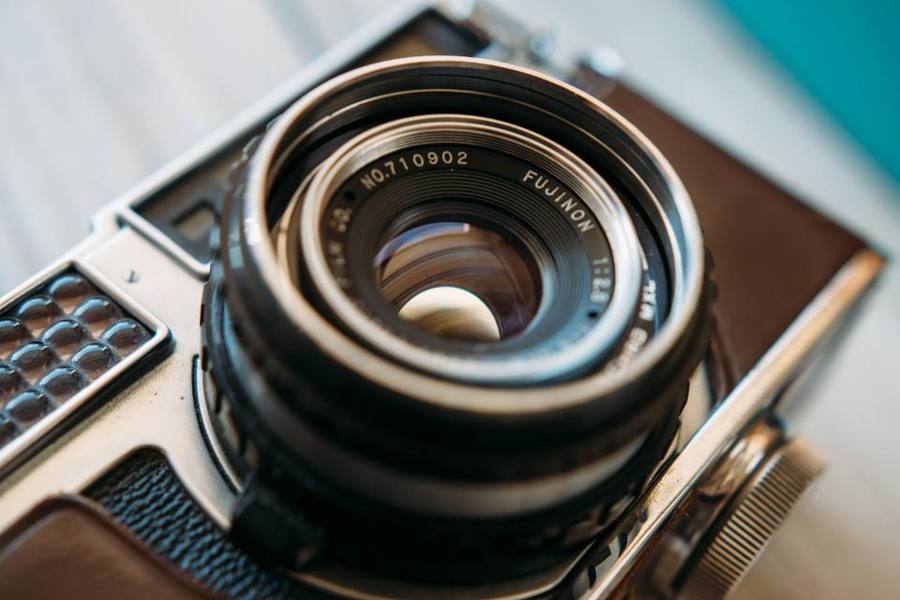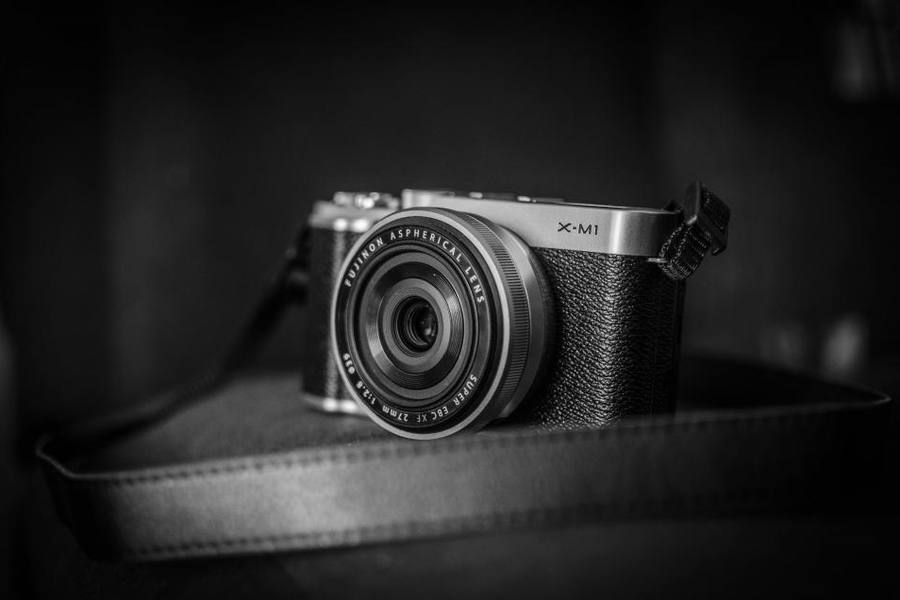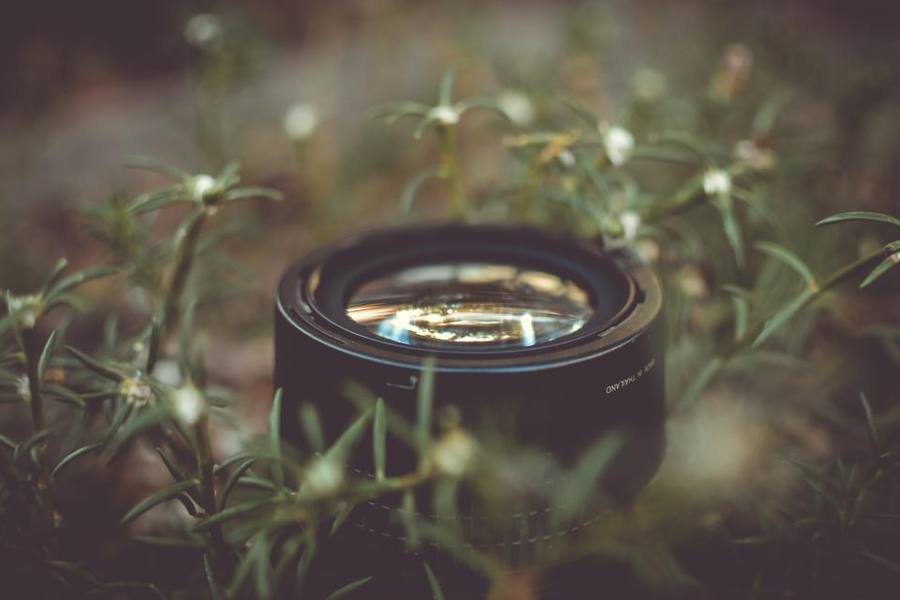
Symbolbild (Stockfoto); nicht das abgebildete Produkt.
What 1:1 Actually Means
True macro means the subject projects onto the sensor at life size — a ten millimetre insect occupies ten millimetres of sensor. Many lenses labelled macro achieve only half that or less.
That distinction matters because the whole point is revealing detail invisible to the eye, and a lens reaching only 1:2 shows half the magnification at the same working distance.
Checking the stated maximum magnification rather than the word macro on the barrel is the thing to do before buying, since the label is used loosely throughout the market.
Depth Of Field Becomes Almost Nothing
At 1:1 magnification, depth of field at f/2.8 is a fraction of a millimetre. At f/11 it may still be only a few millimetres.
That is the defining challenge of macro work and the thing nobody expects. An insect photographed at f/2.8 will have one eye sharp and everything else gone, which is sometimes the intent and usually not.
Working apertures for macro are therefore f/8 to f/16, which needs a great deal of light — hence why macro photographers use flash almost universally rather than as an occasional tool.
Why Ninety Millimetres
Working distance is the practical consideration. A shorter macro lens requires being very close to the subject, which shades it with the lens and frightens anything alive.
Ninety to one hundred millimetres gives enough working distance for light to reach the subject and for an insect not to flee, which is why this is the standard macro focal length.
Longer macro lenses give more working distance still and are larger, heavier and more expensive, and are worth it for anybody shooting live subjects primarily.
It Is Also A Portrait Lens
At normal distances a ninety millimetre f/2.8 is a sharp short telephoto, and macro lenses are typically among the sharpest lenses any manufacturer makes.
That sharpness is occasionally too much for portraits — skin texture is rendered unflatteringly clearly — which is a genuine consideration and easily handled in editing.
Buying a macro lens therefore gets you two lenses, which considerably changes the value calculation against a dedicated portrait prime.
Who It Suits
This suits anybody interested in close-up work — nature, product photography, jewellery, food detail — and anybody who wants a sharp short telephoto as well.
It suits less well somebody wanting a fast portrait lens specifically, where an f/1.8 or f/1.4 prime gives more background separation.
It suits particularly well product and food photography, where 1:1 detail and sharpness both matter and the same lens covers full-product and detail shots.
The Verdict
Genuine 1:1 magnification with enough working distance for live subjects, and one of the sharpest lenses available doubling as a portrait lens.
Depth of field at high magnification is almost nothing, which forces small apertures and therefore flash, and the sharpness can be unflattering for portraits.
Plan for flash. Macro at usable apertures needs far more light than available light provides, and that is the part people discover after buying.
Auf einen Blick
Vorteile
- True 1:1 magnification, unlike many lenses labelled macro
- Ninety millimetres gives working distance for live subjects
- Among the sharpest lenses any manufacturer makes
- Doubles as a sharp short telephoto portrait lens
Nachteile
- Depth of field at 1:1 is a fraction of a millimetre
- Requires flash for usable apertures at high magnification
- Sharpness can be unflattering for portraits
- Slower autofocus than non-macro lenses
Häufig gestellte Fragen
What does 1:1 mean?
The subject projects onto the sensor at life size — a ten millimetre insect occupies ten millimetres of sensor. Many lenses labelled macro reach only 1:2 or less, so check the stated magnification rather than the word on the barrel.
Why do I need flash?
Because depth of field at 1:1 is a fraction of a millimetre at f/2.8, so macro is shot at f/8 to f/16 to get anything in focus. Those apertures need far more light than available light provides, which is why macro photographers use flash almost universally.
Can I use it for portraits?
Yes, and it is very sharp — occasionally too sharp, rendering skin texture unflatteringly clearly, which is easily softened in editing. Buying a macro lens effectively gets you two lenses, which changes the value against a dedicated portrait prime.
Spezifikationen
| Focal length | 90 mm |
| Magnification | True 1:1 |
| Aperture | f/2.8 |
| Depth of field at 1:1 | Fraction of a millimetre at f/2.8 |
| Working aperture for macro | f/8 to f/16 |
| Lighting | Flash effectively required |
| Secondary use | Short telephoto portraits |
| Sharpness | Among the highest available |
Fazit
True 1:1 with working distance for live subjects, and a sharp portrait lens too. Plan for flash — usable macro apertures need far more light.
Preis auf Amazon prüfen