Sub-250g Folding Camera Drone
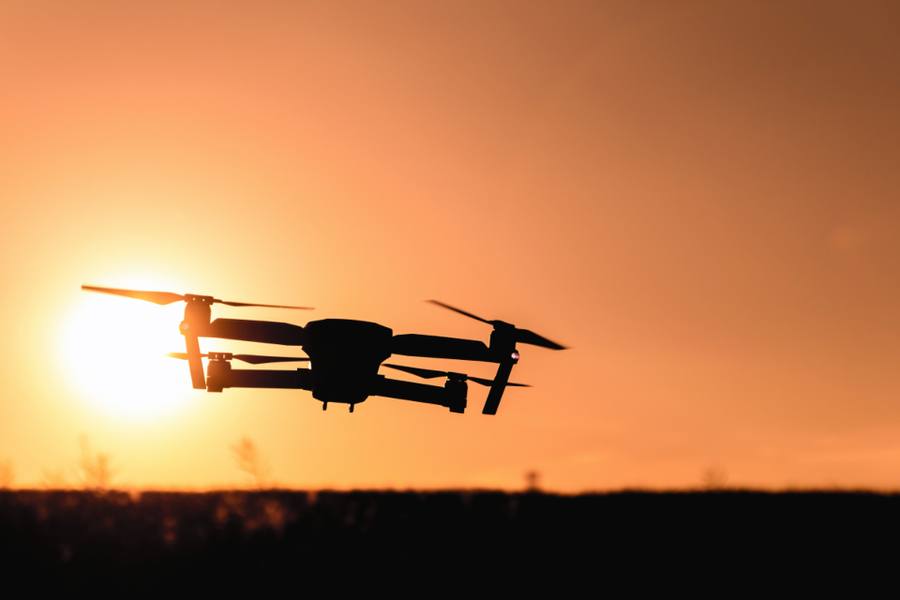
Representative image (stock photo); not the exact product.
The Weight Threshold Is Deliberate
Many countries set 250 grams as a regulatory boundary, below which some requirements are reduced — typically around registration and certain operational restrictions.
Drone manufacturers design specifically to sit under it, which is why a category of capable drones exists at 249 grams rather than at a weight the engineering would naturally reach.
It is genuinely significant for a casual or travelling flyer, because it reduces the administrative burden of flying in many jurisdictions and widens where flying is straightforward.
Under 250g Does Not Mean Unregulated
This is the important correction. Rules about where you may fly, how high, how far, and near what still apply regardless of weight, and they are enforced.
Flying near airports, over crowds, above height limits, out of sight, or in restricted airspace is prohibited for any drone, and penalties are substantial. Some jurisdictions also require a competency test or an operator identifier even for light drones.
Checking the current rules in your country and in any country you travel to is not optional, and the rules change. The manufacturer's marketing is not a legal reference.
What The Camera Delivers
Modern small drones record capable video with a stabilised gimbal, and the three-axis mechanical gimbal is what produces smooth footage rather than any software stabilisation.
Sensor size is small by camera standards, which means good results in bright daylight and noticeably worse ones at dawn, dusk or under heavy cloud.
Shooting in a flat colour profile and grading afterwards gets more from a small sensor than recording a baked-in look, and for anything beyond casual use that is the approach.
Wind Is The Real Limitation
Light drones are affected by wind far more than heavy ones, and a breeze that is barely noticeable at ground level is often considerably stronger at altitude.
A drone fighting wind drains its battery much faster and may be unable to return against a headwind, which is the specific failure that loses drones.
Flying out downwind and returning upwind is the wrong way round, and the discipline is always flying out into the wind so the return leg is assisted.
Battery, Range And Practicalities
Flight times quoted are under ideal conditions, and real flights with wind, manoeuvring and cold weather are noticeably shorter.
Cold weather reduces battery capacity substantially, and a winter flight can end far sooner than expected. Keeping batteries warm before flight genuinely helps.
Multiple batteries are effectively required, since a single flight is short, and they have transport rules for air travel that must be checked before packing.
Obstacle sensing is worth understanding rather than trusting, because the lightest drones often have sensors facing only downward and forward, leaving the sides and rear blind. Flying backwards for a reveal shot is therefore one of the easiest ways to fly into a tree, and it is a manoeuvre the footage rewards and the sensors do not protect. Knowing which directions your specific drone can actually see is more useful than knowing it has sensing at all.
The Verdict
A genuinely capable aerial camera in a package light enough to simplify the regulatory position and small enough to carry anywhere.
Wind affects it disproportionately, the small sensor struggles in low light, flight times are short, and the reduced weight category does not reduce the rules that matter.
Check the current rules where you are flying before every trip. Under 250 grams changes registration, not where and how you may legally fly.
At a glance
Pros
- Under the 250 gram regulatory threshold in many countries
- Mechanical three-axis gimbal produces genuinely smooth footage
- Folds small enough to carry anywhere
- Capable video quality in good light
Cons
- Affected by wind far more than heavier drones
- Small sensor struggles in low light
- Short real flight times, worse in cold
- Airspace and operational rules still apply fully
Frequently asked questions
Can I fly it anywhere because it is light?
No. Rules on where you may fly, how high, how far and near what apply regardless of weight and are enforced with substantial penalties. Under 250 grams typically reduces registration requirements, not airspace rules.
Why does wind matter so much?
Light drones are affected disproportionately, and a breeze you barely notice at ground level is often much stronger at altitude. A drone unable to return against a headwind is the specific failure that loses drones.
How long does a battery really last?
Noticeably less than quoted, which assumes ideal conditions. Wind, manoeuvring and especially cold all shorten it — winter flights can end far sooner than expected. Multiple batteries are effectively required rather than optional.
Specifications
| Weight | Under 250 g by design |
| Regulatory effect | Reduced registration in many countries |
| Still applies | Airspace, height, distance and crowd rules |
| Stabilisation | Mechanical three-axis gimbal |
| Sensor | Small; good in bright light only |
| Wind | Significant limitation |
| Batteries | Multiple effectively required |
| Technique | Fly out into the wind, return assisted |
The bottom line
A capable aerial camera light enough to simplify registration. It does not simplify airspace rules — check them before every trip.
Check Price on Amazon