Sigma 24-70mm f/2.8 DG DN Art
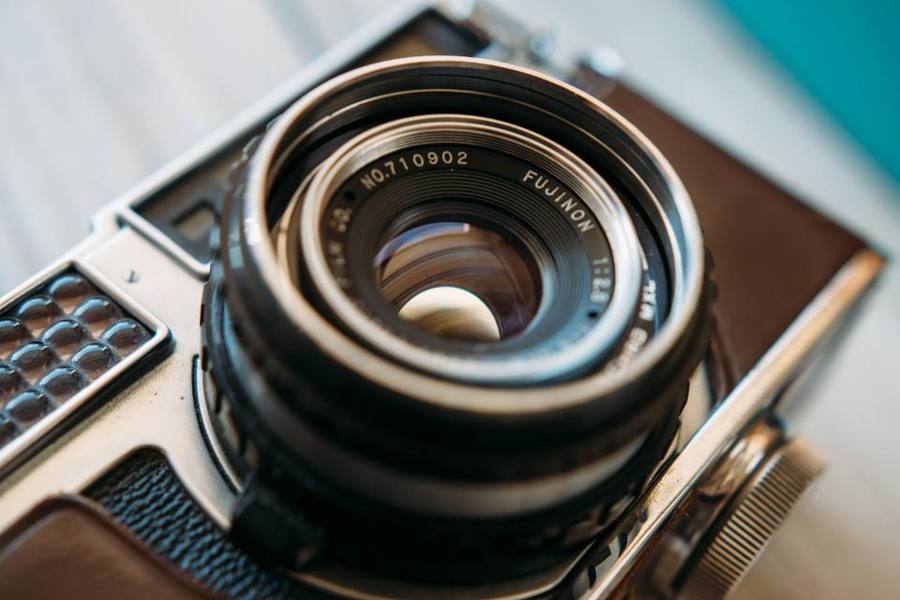
Temsili görsel (stok fotoğraf); ürünün kendisi değildir.
The Range That Covers Most Work
Twenty-four to seventy millimetres covers wide enough for interiors and groups, through natural perspective, to short telephoto for portraits. It is the range most professional work actually happens in.
That is why it is the standard lens on almost every working photographer's camera, and why somebody buying one lens should usually buy this one.
A constant f/2.8 means the aperture does not change as you zoom, so exposure stays consistent and low-light capability is the same at seventy millimetres as at twenty-four, which variable-aperture kit zooms cannot offer.
Third Party At A Third Less
Sigma's Art line competes directly with first-party lenses on optical quality and undercuts them substantially on price, and the gap is large enough to fund a second lens.
Optically it is genuinely excellent — sharp across the frame, well controlled aberration, pleasant rendering — and the differences from a first-party equivalent are small enough that most people could not identify them in finished work.
Where first-party lenses still lead is autofocus speed in the most demanding situations and weather sealing under sustained abuse, and both matter for some working photographers and not for most.
Weight Is The Real Cost
A constant f/2.8 standard zoom is a large heavy lens, because that aperture across that range requires substantial glass. There is no way around the physics.
Carrying it all day is genuinely tiring, and it changes the balance of a small camera body considerably, which is why many photographers carry a small prime for personal work and this for paid work.
Anybody prioritising size over aperture should look at f/4 standard zooms, which are dramatically smaller and lighter for one stop less light and less background separation.
What f/2.8 Buys You
One stop more light than f/4, which in practical terms means a usable shutter speed in a dim reception hall where f/4 would not be.
Shallower depth of field for subject separation, particularly at the seventy millimetre end, where f/2.8 produces genuinely pleasant background blur.
Both matter most in exactly the situations where a job cannot be redone, which is why working photographers accept the weight.
Filter size is worth checking before buying any lens, because a standard zoom and a wide zoom sharing a thread diameter means one set of filters covers both. Buying two lenses with different thread sizes means either two sets of filters or a set of step-up rings, and filters are expensive enough that this is a genuine cost rather than an inconvenience. Planning a kit around a common filter size saves money that compounds with every lens added.
Who It Suits
This suits anybody doing paid work across varied subjects, and anybody who wants one lens on the camera most of the time.
It suits less well a traveller prioritising weight, or somebody shooting mainly one focal length who would get better results from a prime at half the size.
It suits particularly well somebody building a kit on a budget, since choosing this over the first-party equivalent leaves enough to buy a second lens outright.
The Verdict
The single most useful lens most photographers can own, at a price that leaves money for another lens, with optical quality indistinguishable from first party in real work.
It is large and heavy, autofocus trails the best first-party lenses in extreme situations, and f/2.8 costs size that f/4 does not.
If you buy one lens, buy this range. And if weight matters more than one stop of light, look at the f/4 equivalents before committing.
Bir bakışta
Artılar
- Covers the focal range most work actually happens in
- Constant f/2.8 keeps exposure and low-light capability consistent
- Optically excellent; indistinguishable from first party in practice
- Substantially cheaper than first-party equivalents
Eksiler
- Large and heavy; tiring over a full day
- Unbalances small camera bodies
- Autofocus trails the best first-party lenses in extreme cases
- f/4 alternatives are dramatically smaller for one stop less
Sıkça sorulan sorular
Why this focal range?
Twenty-four to seventy covers interiors and groups, natural perspective, and short telephoto for portraits — the range most professional work actually happens in. Somebody buying one lens should usually buy this one.
Is third party good enough?
Optically, yes — the differences from first party are small enough that most people could not identify them in finished work. First party still leads on autofocus in the most demanding situations and sustained weather abuse.
Should I get f/2.8 or f/4?
f/2.8 buys one stop of light and shallower depth of field, which matter in dim venues where a job cannot be redone. f/4 zooms are dramatically smaller and lighter. If weight matters more than that stop, go f/4.
Teknik Özellikler
| Focal range | 24-70 mm |
| Aperture | Constant f/2.8 |
| Coverage | Full frame |
| Optical quality | Excellent across the frame |
| Size | Large and heavy |
| Price position | Well below first party |
| Weather sealing | Present; below first party under sustained abuse |
| Best for | Paid work across varied subjects |
Özet
The most useful single lens most photographers can own, at a price that funds a second one. Heavy — check f/4 if weight matters more.
Amazon'da Fiyatı Kontrol Et