Tamron 70-180mm f/2.8 Telephoto Zoom

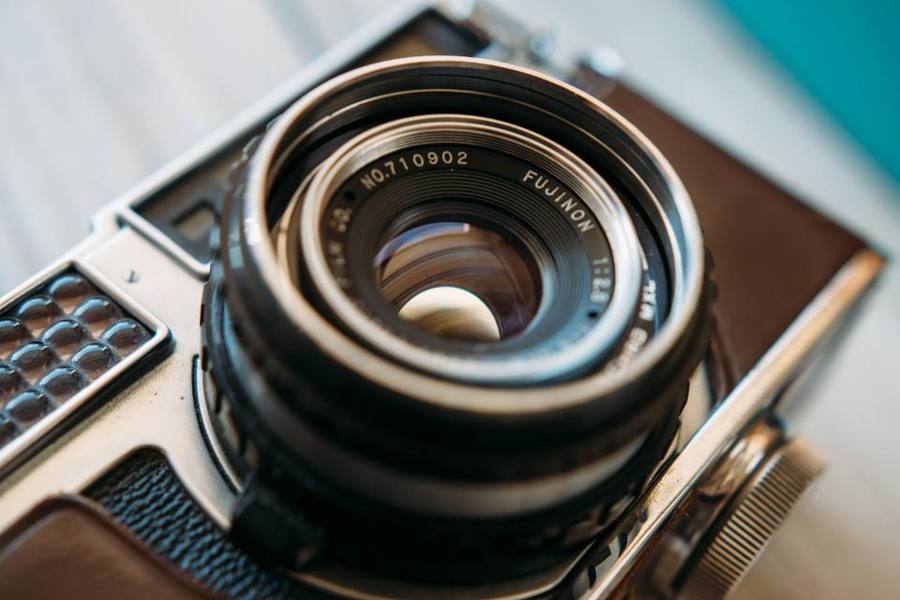
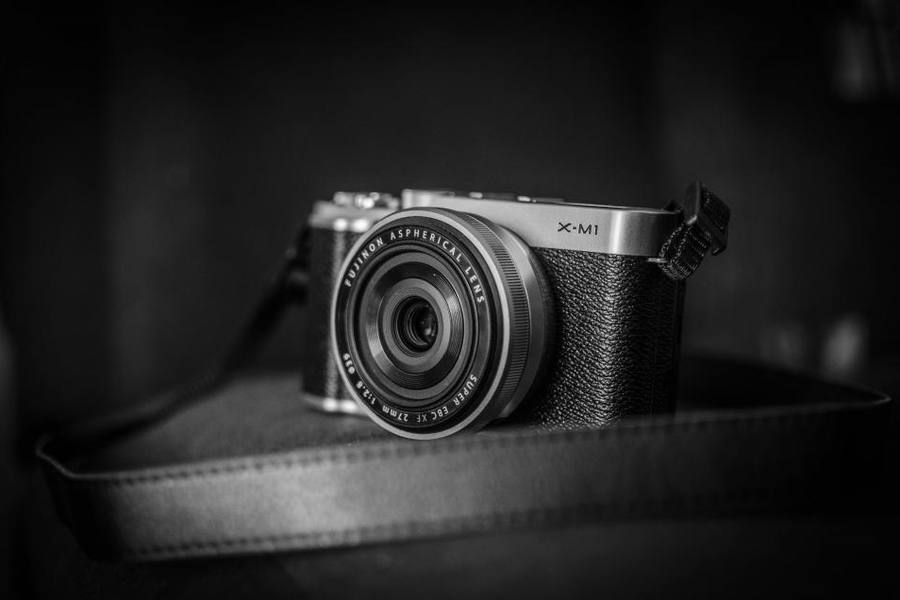
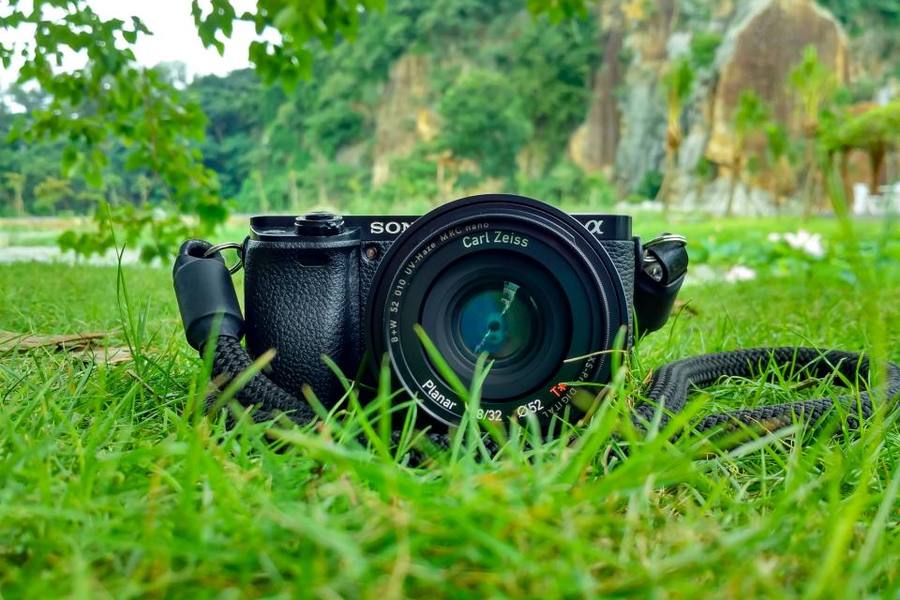
Temsili görsel (stok fotoğraf); ürünün kendisi değildir.
The Twenty Millimetres You Trade
The standard fast telephoto is seventy to two hundred millimetres, and it is invariably large, heavy and expensive. Tamron's stops at one hundred and eighty.
Twenty millimetres at the long end sounds significant and in practice is around a ten percent difference in reach, which is usually a small crop rather than a missed shot.
What that concession buys is a dramatically smaller and lighter lens at a much lower price, and for most photographers that is comfortably the better side of the trade.
Why Weight Matters More Than Reach
A conventional 70-200mm f/2.8 weighs enough that people leave it behind, and a lens in a bag at home has zero reach.
The Tamron is light enough to carry alongside a standard zoom without the bag becoming a burden, which in practice means it is with you when a telephoto shot appears.
That is the argument that matters. Specification comparisons happen on paper; the actual comparison is between a lens you brought and one you did not.
Optical Performance
It is optically strong, sharp through the range at f/2.8, with the background rendering that makes fast telephotos worth owning for portraits and isolation.
Where it trails first-party 70-200mm lenses is in autofocus speed for fast action and in the extreme corners wide open, and neither is likely to be the limiting factor for most work.
It has no optical stabilisation, which matters on unstabilised bodies and is largely covered by in-body stabilisation on cameras that have it.
What A Fast Telephoto Is For
Portraits at eighty-five to one hundred and thirty-five millimetres with f/2.8 produce flattering compression and strong subject separation, which is the classic use.
Events and performances where you cannot approach the subject, and where f/2.8 is what makes a usable shutter speed possible in dim venues.
Sports and wildlife are possible and generally want more reach, and somebody shooting those primarily needs a longer lens rather than a faster one.
The internal zoom design is worth noting because the lens does not extend as you zoom, which keeps the balance constant and means no air is pumped in and out of the barrel as you work. That matters for dust ingress over years and for use on a gimbal, where a lens that changes length shifts the centre of gravity and needs rebalancing mid-shoot. It is the kind of design detail that only becomes obvious after living with the alternative.
Who It Suits
This suits a portrait, event or general photographer who wants fast telephoto capability without the weight and cost of a conventional 70-200mm.
It suits less well sports and wildlife shooters who genuinely need reach, or professionals whose autofocus demands are at the extreme.
It suits particularly well anybody who has owned a 70-200mm and found they stopped carrying it, which is a very common experience.
The Verdict
The sensible fast telephoto for most people: the same f/2.8 aperture and nearly the same reach, in a lens light enough that you actually bring it.
It gives up twenty millimetres, has no optical stabilisation, and trails first-party lenses on autofocus in demanding situations.
The lens you carry beats the lens you left at home. Twenty millimetres is a crop; a lens in a cupboard is nothing.
Bir bakışta
Artılar
- Dramatically lighter than a conventional 70-200mm f/2.8
- Same f/2.8 aperture and nearly the same reach
- Optically strong through the range
- Considerably cheaper than first-party equivalents
Eksiler
- Twenty millimetres less reach at the long end
- No optical stabilisation
- Autofocus trails first party for fast action
- Insufficient reach for serious sports or wildlife
Sıkça sorulan sorular
Is twenty millimetres less reach a problem?
It is around a ten percent difference, which is usually a small crop rather than a missed shot. What it buys is a dramatically lighter and cheaper lens, and for most photographers that is the better side of the trade.
Why does weight matter so much?
Because a conventional 70-200mm is heavy enough that people leave it behind, and a lens at home has zero reach. The actual comparison is between a lens you brought and one you did not, rather than between two specification sheets.
Do I need the stabilisation it lacks?
On a camera with in-body stabilisation, largely no. On an unstabilised body, yes — handheld telephoto at slower shutter speeds is where stabilisation earns its place, and this lens relies entirely on the camera for it.
Teknik Özellikler
| Focal range | 70-180 mm |
| Aperture | Constant f/2.8 |
| Weight | Far below conventional 70-200mm |
| Stabilisation | None optical; relies on body |
| Optical quality | Strong through range |
| Best for | Portraits, events, general telephoto |
| Not for | Serious sports or wildlife |
| Price | Well below first party |
Özet
Same f/2.8, nearly the same reach, in a lens light enough that you actually bring it. Not enough reach for sports or wildlife.
Amazon'da Fiyatı Kontrol Et